
Preloader

Health Awareness, Literacy, Empowerment & Accountability

  1. Home
  2. Health Awareness, Literacy, Empowerment & Accountability

Health Awareness, Literacy, Empowerment & Accountability

Equipping people with knowledge and a voice to exercise their health rights and hold health systems accountable.

HAAN promotes health awareness, literacy and empowerment so that individuals and communities can make informed decisions about their own care. We run community education, advocacy and accountability initiatives that build health literacy, amplify community voices and strengthen the mechanisms through which people can hold health systems accountable.

Empowered communities are better able to access quality care, demand transparency and participate meaningfully in decisions that affect their health.
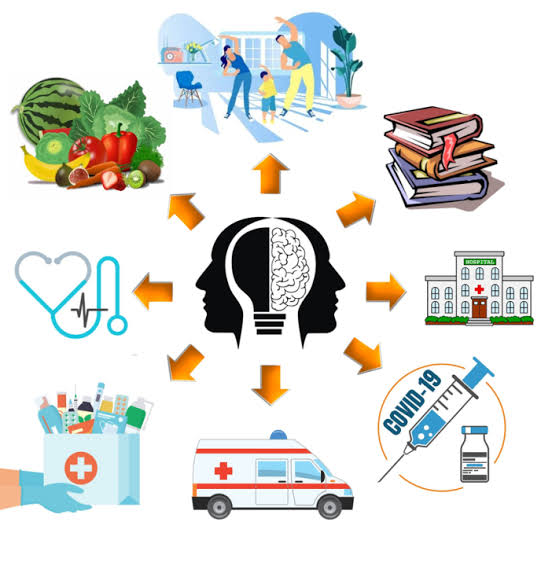
  • Community health education and literacy campaigns
  • Empowering individuals to exercise their health rights
  • Strengthening community voice in health decision-making
  • Advocacy for transparency and accountability in health systems
Get Involved
Health awareness, literacy and accountability - HAAN
Strategic Goal

To increase public knowledge, health literacy and community capacity to make informed decisions, exercise their health rights, participate meaningfully in healthcare decisions, demand quality services and hold health systems accountable.

Strategic Objectives
  1. Increase public awareness of health rights, access to quality healthcare, patient choice, health-seeking behaviour and available health services, particularly among underserved and vulnerable populations.
  2. Promote preventive and promotive health practices through evidence-based education on nutrition, maternal and child health, adolescent and youth health, WASH, NCD prevention, mental well-being, immunization and other priority public-health issues.
  3. Strengthen community knowledge and capacity to identify, prevent and respond to health challenges affecting individuals, families and communities.
  4. Promote health literacy and informed decision-making, enabling individuals to understand their healthcare options, participate meaningfully in decisions about their health and make appropriate healthcare choices.
  5. Translate research and technical health information into accessible knowledge through community dialogues, policy briefs, campaigns, media engagement, digital platforms and appropriate educational materials.
  6. Use strategic communication and social and behaviour change approaches to address harmful health practices, misinformation, stigma and social and behavioural barriers that prevent people from accessing appropriate healthcare.
  7. Build the capacity of health workers, community leaders, civil society organizations, patient groups and other stakeholders on emerging health issues, patient-centred care, health systems and evidence-based interventions.
  8. Strengthen community participation and social accountability mechanisms that enable patients and communities to provide feedback, raise concerns, monitor healthcare services and advocate for improvements in quality, safety, affordability and dignity.
  9. Empower communities and vulnerable groups to advocate for their health rights and participate in health planning, decision-making, monitoring and evaluation at community, facility and local-government levels.
  10. Strengthen collaboration between communities, healthcare providers, government, civil society and other stakeholders to improve transparency, responsiveness and accountability within the health system.