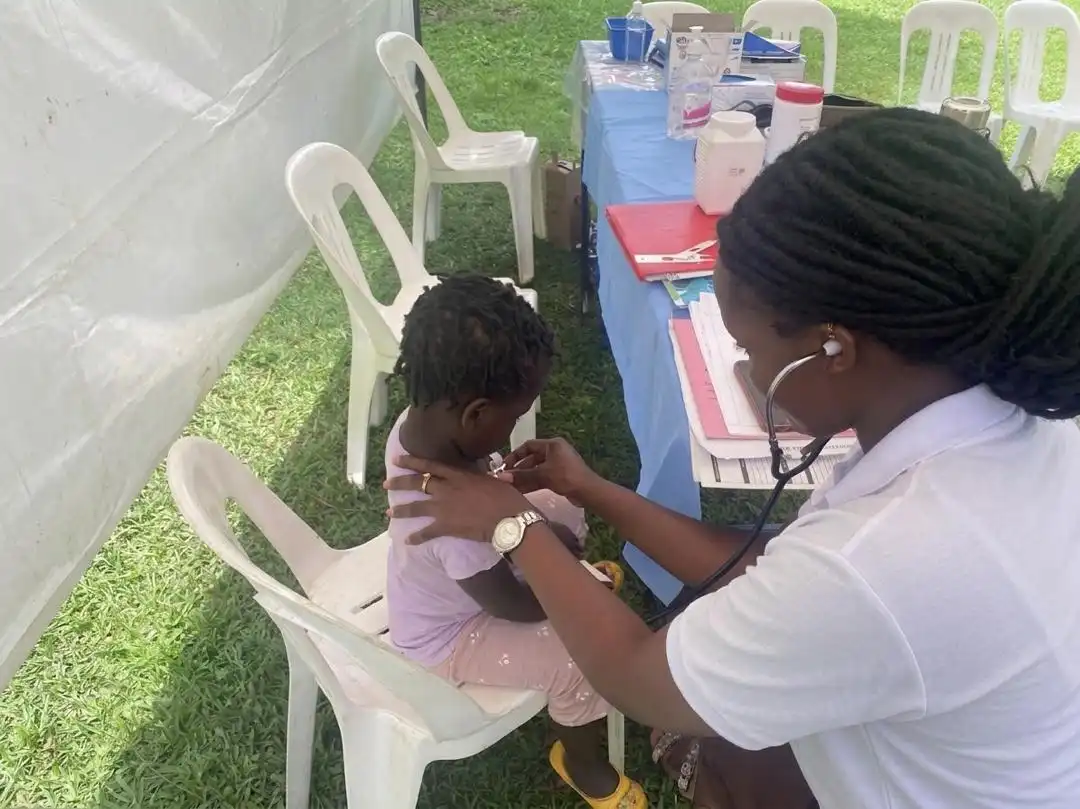


A health system is only as strong as its accountability to the people it serves. In too many communities across Uganda, patients have little recourse when medicines run out, when facilities are understaffed, or when services fall short of what is promised. Holding health systems accountable is not an abstract policy exercise — it is a practical, community-level responsibility, and it is one HAAN takes seriously.
What accountability looks like in practice
Accountability starts with honesty, transparency and ethical conduct at every level — from the health worker at the clinic desk to the policymakers who allocate national health budgets. It means decisions are guided by credible evidence, not convenience, and that communities have a real voice in how services are delivered.
How communities can hold services accountable
- Know your entitlements. Understanding what services a facility is required to provide is the first step to identifying gaps.
- Document and report. Community health outreach programs, like those HAAN supports, give residents structured ways to raise concerns and track them.
- Engage local leadership. Village health teams, local councils and community health workers are often the fastest channel to escalate persistent problems.
- Support independent monitoring. Organisations like HAAN research and publish evidence on service gaps, giving communities credible data to advocate with.
Accountability is not about placing blame — it is about building a feedback loop between communities and the systems meant to serve them, so that problems are identified early and addressed before they become crises. That is the guiding principle behind every outreach, partnership and research effort HAAN undertakes.